
TLDR
Want to Become a Pet Sitter or Dog Walker and get paid to hang out with dogs all day? The idea sounds simple until you start researching. Local rules are confusing, insurance often excludes animals without telling you, and pay ranges from $13 to $30 an hour depending on who you ask.
That confusion gets expensive. One uninsured dog injury can wipe out months of earnings, and underpricing yourself on day one is hard to undo.
This guide fixes that. You get 2026 pay data, the certifications and insurance worth buying, and a clear plan for landing your first five clients. For honest numbers on any career, check the real salary data on WhatIsTheSalary. Ready to start earning with pets?
What a Pet Sitter or Dog Walker Actually Does
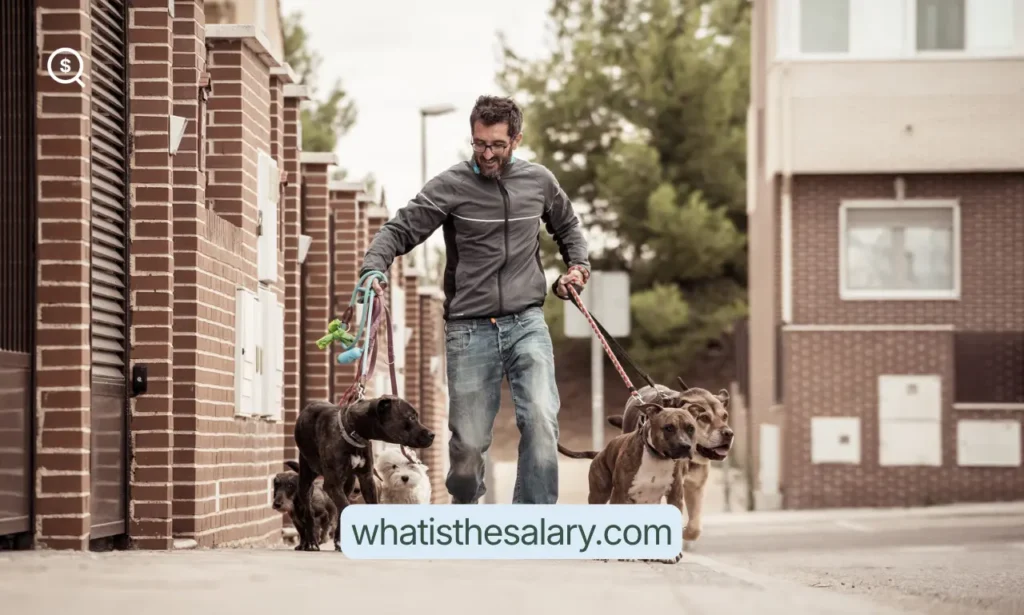
A dog walker takes dogs out for structured walks, usually 30 to 60 minutes. A pet sitter covers more ground: feeding, medication, playtime, litter boxes, and sometimes overnight stays.
Most professionals mix both. You might walk dogs at lunch, drop in on a cat after work, and board a regular client’s dog on weekends.
One niche gets overlooked. Senior pets and diabetic pets need medication on a schedule, and owners of those animals tend to be loyal customers for years.
Do You Need a License, Degree, or Permit?
No federal license exists for pet sitters or dog walkers. No degree is required either. Most operators register with their city or county for a local business license and set up a DBA or an LLC at the state level.
Dense cities are stricter. San Francisco requires a commercial dog walker permit if you walk four or more dogs at once. You need approved training or roughly three years of professional experience, a valid driver’s license, and general liability insurance of at least $1 million.
If dogs stay overnight at your home, you may also need a kennel or animal boarding permit from your state’s agriculture or animal services department. Call your city clerk before you advertise. It takes ten minutes and can save you a fine.

Certifications That Help You Win Clients
Certifications are optional, but nervous owners notice them. Here is what I would take, in order.
Pet First Aid and CPR
Start here. The American Red Cross offers a self-paced course that takes about an hour. It covers choking, poisoning, and heat emergencies, the exact situations owners worry about when they hand you a key.
Certified Professional Pet Sitter (CPPS)
Pet Sitters International runs the CPPS credential. The exam has 100 questions, a three-hour limit, and an 80% pass mark. Keeping it requires 30 continuing education units every three years, which tells clients you treat this as a profession.
NAPPS and Fear Free
The National Association of Professional Pet Sitters offers a course on animal care, medication, emergencies, and business basics. Fear Free is a shorter online option that helps if you handle anxious or reactive animals.
Insurance: The Step Beginners Skip
Standard general liability policies exclude animals in your care. That exclusion is called Care, Custody, or Control, or CCC. If a dog gets hurt on your walk, a regular business policy will not pay.
Buy pet sitter liability insurance with a CCC endorsement before your first paid job. PSI members in the US and Canada can get group rates. Providers such as Thimble sell coverage by the hour, day, or month, which suits beginners.
One more thing PSI points out: liability insurance does not cover injuries to you or your staff. Plan for your own protection separately.
How Much Can You Earn in 2026?
Different sites report different numbers because they pull from different data. Indeed uses job postings, Jooble uses its own listings, and BLS surveys employers. Compare them instead of trusting one.
| Source (2026 data) | Role measured | Reported pay |
| Indeed (updated June 2026) | Dog walker | $19.87/hr average, $12.96 to $30.46 range |
| Jooble (July 2026) | Pet sitter | $19.33/hr, about $38,818/yr |
| BLS May 2025, via ServGrow | Dog walker | $35,360 median, $37,300 average |
| ZipRecruiter (June 2026) | Dog sitting | $16.63/hr, most earn $13.46 to $18.99 |
| Zippia (2026) | Dog walker/pet sitter | $30,871/yr, $14.84/hr, up 5.2% |
Hourly pay sits between $14 and $20 across most sources. That is the employee view. Independent sitters set their own rates and keep more of each booking.
One income roundup breaks it down by business size. Casual part-timers make $5,000 to $20,000 a year, full-time solo sitters $30,000 to $65,000, and solo sitters with home boarding $50,000 to $100,000. Multi-staff companies gross $100,000 or more. Treat these as estimates, since the roundup is less rigorous than BLS.
Overnight stays pay best. The same roundup lists $50 to $150 a night for in-home sitting and $35 to $75 a night for boarding at your own home, with urban markets running higher. It also says many sitters earn 25% to 35% of their yearly income between November and January.
Location moves these numbers a lot. If you like seeing how geography changes pay in other fields, our data scientist salary by city breakdown shows the same pattern at a much larger scale. For the opposite end of the scale, the CISO salary guide is a useful reality check on how pay varies by career.
Five Ways Into the Industry
1. Work for a local agency. You get steady clients and training. The pay per job is lower, but you collect references fast.
2. Freelance on Rover or Wag. Rover walks you through service setup, a profile, testimonials, a safety quiz, and a background check. The platform brings the customers.
3. Go solo. You keep all of your rate and own the client relationship, but marketing is on you.
4. Start an agency. Once you are turning clients away, hire sitters. This is where the six-figure gross numbers come from.
5. Buy an existing business. You inherit clients and systems, and skip the hardest part, which is earning a stranger’s trust.
Your First 30 Days, Step by Step
Get hands-on experience. Sit for friends and neighbors, or volunteer at a shelter. Write notes after every visit, take photos, and ask for a written reference.
Finish your first aid course. Do it before you charge anyone.
Set up the business basics. Register your name, get any local license, and open a separate bank account.
Buy insurance. Do not take a paying client first.
Build a profile that shows you. Use real photos with real animals, list your certifications, and add every testimonial.
Price like a professional. Check what established sitters charge in your area and match them. Rock-bottom pricing attracts people who leave for anyone cheaper.
Your resume matters when you apply to agencies. If you are unsure how it should look, read US resume vs CV. Agencies and apps also screen applications with software, so the guide to ATS filters in US job applications will save you from silent rejections.
The Meet and Greet Decides Everything
Professionals screen before they book. Start with a short call to confirm dates, location, the number and type of pets, and any medical or behavior concerns. Then meet in person.
Dress clean and practical, speak plainly, and ask questions about the pet’s routine. Our guide on what to wear and say in a US job interview applies here too, because owners are interviewing you.
Agency hiring works the same way. Expect questions like, “Tell me about a time an animal in your care got hurt.” Prepare stories using the behavioral interview questions and answers format. Larger platforms may run several rounds, and the US tech interview process explains how those stages usually flow.
Can You Start Without a Degree?
Yes. This is one of the clearest degree-free careers in the US. Owners care about references, reliability, and how you handle a strong dog on a leash.
Other fields work the same way. If you want to see how skills and certifications replace a diploma elsewhere, read about becoming a cybersecurity analyst without a degree. If pet care turns into a stepping stone to something else, the cybersecurity career path shows how people plan a move step by step.
How Your Income Grows
Year one is about reputation. Aim for a handful of regular clients and strong reviews instead of maximum hours.
Growth comes from three moves: adding overnight or boarding services, raising your rates as your reviews pile up, and eventually hiring help. Holiday weeks are your best earning window, so book them early.
How to Find Your First Clients
Go local and physical first. Flyers at vet clinics, groomers, pet stores, and dog parks reach exactly the right people, as long as you ask permission before posting.
Then tell everyone you know. Word of mouth is the fastest growth engine in this business, and one happy owner often has three friends with dogs.
Add a simple web presence once you have a few reviews. A one-page site with your services, your certifications, your insurance, and your testimonials is enough. Owners hand over their house keys, so proof matters more than design.
Treat every early sit like a paid job. Show up on time, send a photo update, and leave the house cleaner than you found it. Those small habits turn a favor into a regular booking.
Is This a Good Career in 2026?
It depends on what you want. Zippia shows average pay for dog walkers and pet sitters rising 5.2% in 2026, from $29,332 to $30,871. That is steady growth, not a jackpot.
The work is physical and weather does not care about your schedule. Income also swings, because holidays and school breaks create spikes while quiet months can feel thin. Good sitters plan for both.
On the plus side, you control your hours, you work outdoors, and you build a business around something you enjoy. Dog walking has been a paid profession in the US since at least 1960, when Jim Buck started his service in New York City, so the model has staying power.
If you want stability, work for an agency first. If you want upside, go independent once your calendar fills up.
Frequently Asked Questions
-
Do I need a license to be a dog walker?
No federal license exists. Most areas require only a local business license. San Francisco requires a permit to walk four or more dogs at once.
-
How much do pet sitters and dog walkers make?
Indeed reports $19.87 an hour for dog walkers in 2026. Jooble reports $19.33 an hour for pet sitters. Full-time independents can reach $30,000 to $65,000 a year, according to one income roundup.
-
Which certification should I get first?
Pet first aid and CPR from the American Red Cross. It takes about an hour. After a few months of experience, consider the PSI CPPS credential.
-
What insurance do I need?
Liability insurance with a Care, Custody, or Control endorsement. Standard business policies exclude animals in your care.
-
Is Rover or Wag better for beginners?
Rover has a clear onboarding flow with a safety quiz and background check. Try either one, collect reviews, and then move regulars to your own bookings.
Share Your Experience
Did you start on a platform or go solo? What was your first rate? Tell me in the comments. Real numbers from real sitters help newcomers more than any guide.
How This Article Was Created
I used Indeed (June 2026), Jooble (July 2026), ZipRecruiter (June 2026), Zippia (2026), BLS May 2025 data as reported by ServGrow, and guidance from PSI, NAPPS, and the American Red Cross. I did not invent any figure. Estimates from income roundups are labeled as estimates. This article is meant to inform job seekers, not to promote any company.

Shahzada Muhammad Ali Qureshi (Leeo)
I’m Shahzada — a software engineer by education and an SEO professional by trade. I built WhatIsTheSalary.com to go beyond just showing salary numbers — every page is manually researched across sources like BLS, Glassdoor, LinkedIn Salary, and PayScale to give you the full picture in one place. If you found what you were looking for here, that’s exactly the point.